CORPORATE SUPPLY| LPO Accepted| VAT Invoices

SAFETYPRO AFRICA
How to Choose Chemical-Resistant Gloves
Buying Guides

How to Choose Chemical-Resistant Gloves

Nitrile vs latex vs PVC, breakthrough times and why length matters for spray work.

SafetyPro Team • 2026-03-30 • 6 min read

Share this guide

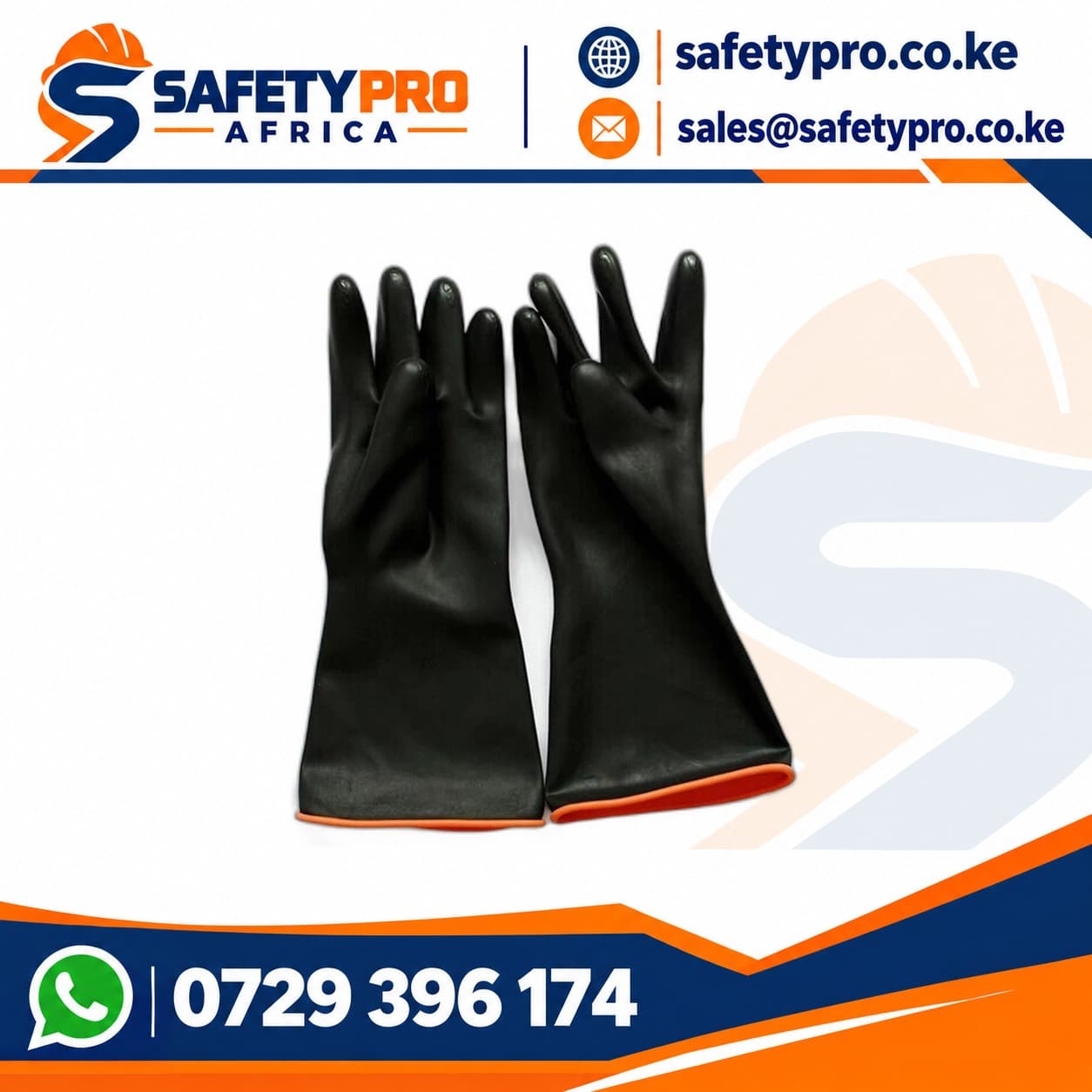
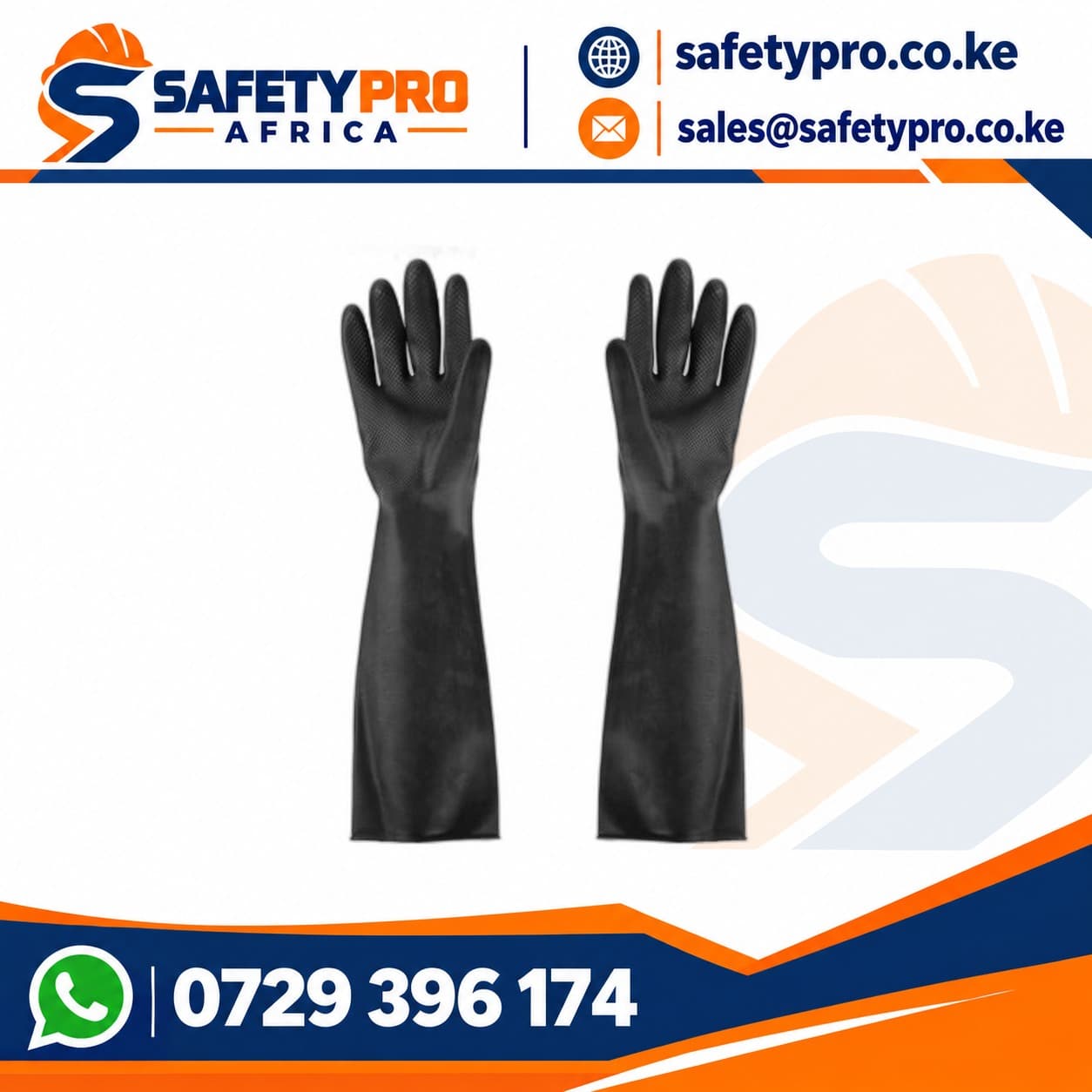
No glove resists everything. Match the polymer to the chemical family using the manufacturer's permeation chart, then size up in thickness and length for immersion or spray work.

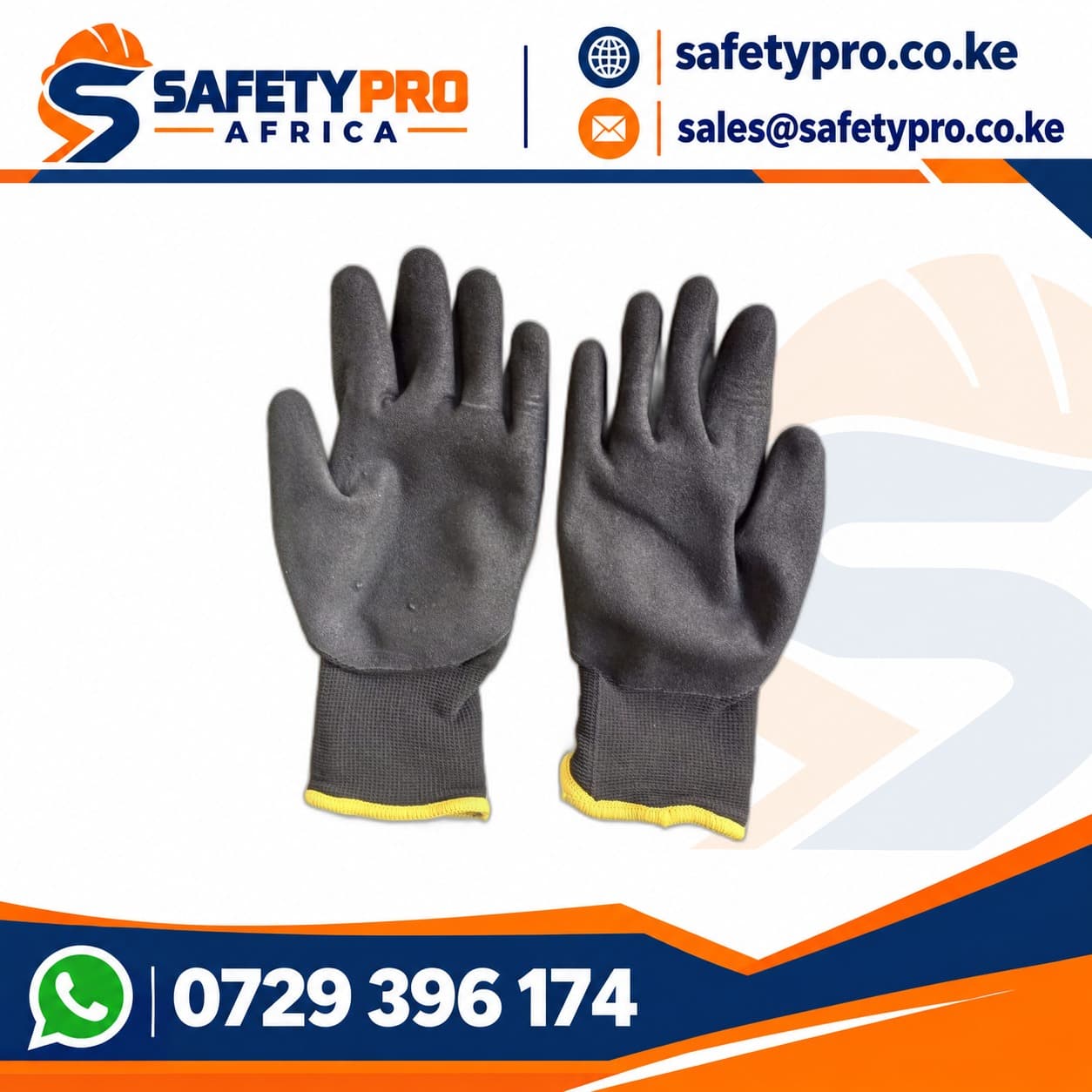
Nitrile covers most pesticides, oils and solvents for Kenyan farm and workshop use. Latex offers dexterity but triggers allergies. PVC suits acids and cleaning chemicals at low cost.

Treat gloves as consumables with a change schedule — a 33cm flock-lined nitrile glove costs less than a clinic visit. Store away from sun and ozone (electric motors) which crack elastomers.
Frequently asked questions

Which glove material for pesticides?

Nitrile (0.38mm+, 30cm+) is the common choice; always check the chemical manufacturer's breakthrough-time chart.

Products mentioned in this guide

Need this PPE for your site?

Send your headcount and delivery county — we return a structured quotation within one business day.